
Ingredient prices
Food price forecast 2026/27: the beef, lamb and dairy outlook for Australian kitchens
Sam
Chefy team8 min read

If you run kitchens, the price of beef, lamb and dairy is not an abstraction. It is the difference between a dish that holds its margin and one that quietly slips below target. Heading into the 2026-27 financial year, the national forecasts point to a split: the main proteins are set to ease, while dairy tightens and gets dearer. Knowing which way each input is moving lets you decide what to hold, what to reprice and where to protect margin before it leaks.
If you only read one thing
In the kitchen: beef and lamb should get gradually cheaper through 2026-27, dairy will not. Watch the cream and cheese dishes first.
On the P&L: re-cost dish by dish at current prices. Hold menu prices on beef-led dishes so margin rebuilds, and reprice or re-spec dairy-heavy dishes before they slip.
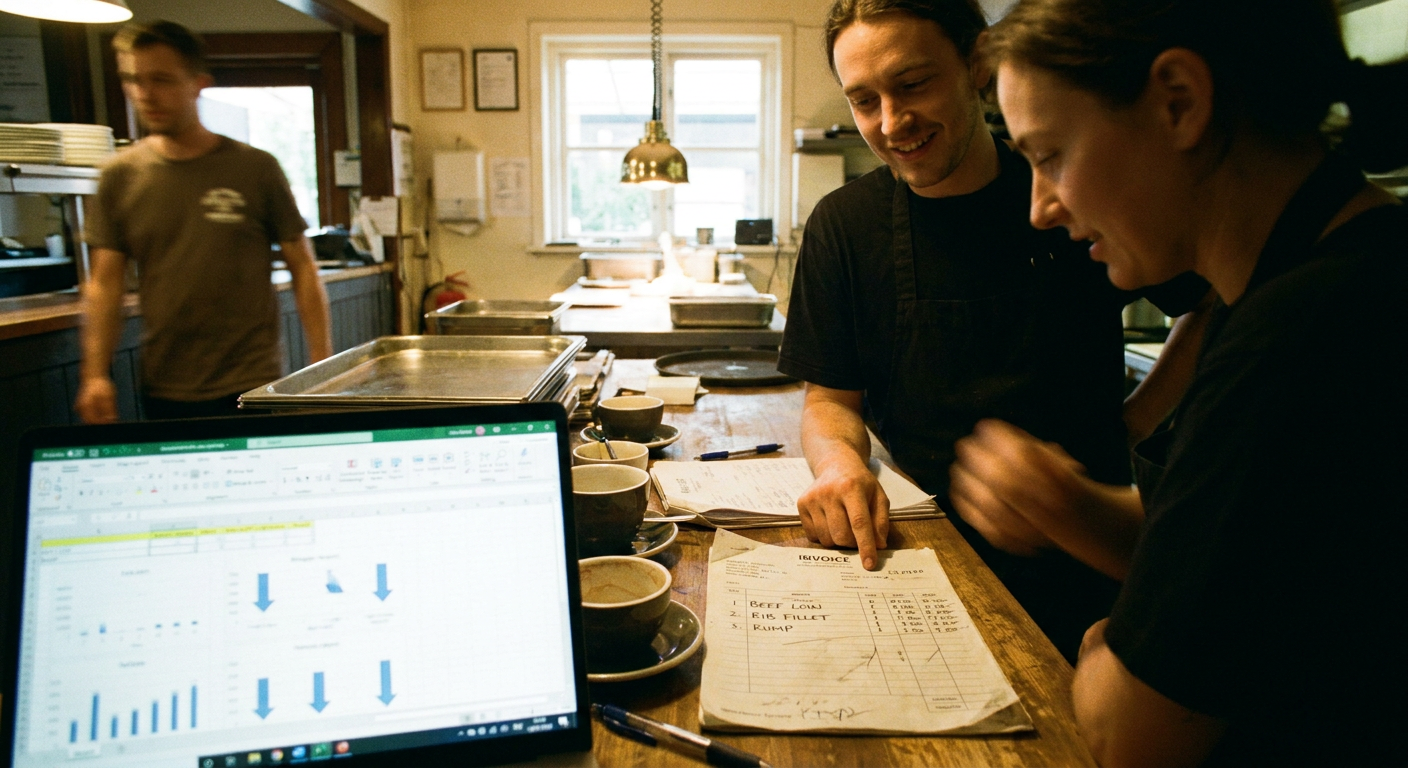
745c/kg
Forecast finished cattle indicator for 2026-27
Down 3% on 2025-26 (ABARES, June 2026)
Why the 2026-27 outlook matters now
Food is the input you control most directly, and it is accelerating even as headline inflation eases. Food and non-alcoholic beverage inflation ran at 3.3% in the year to May 2026, up from 2.8% in April, while headline CPI eased to 4.0% (ABS). Over the same year, meals out and takeaway prices rose 4.0%, so the cost you pay and the price your guests notice are both climbing. The forecasts for the year ahead are not uniform, which is exactly why a blanket price rise or an across-the-board supplier switch tends to miss.
Beef and lamb: the easing side
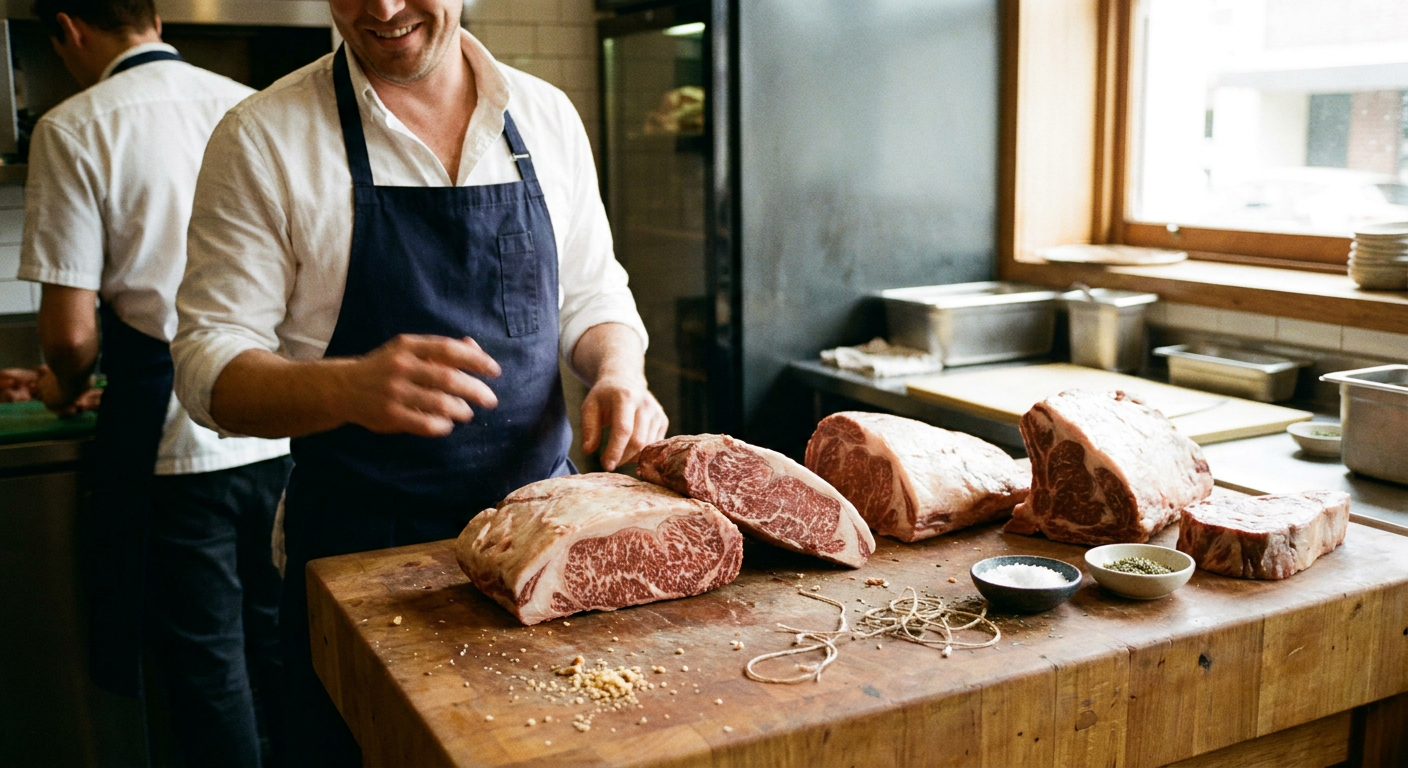
The protein news is favourable for buyers, though ABARES' June update pared the relief back. The indicator price for finished cattle is forecast to average 745c/kg carcase weight in 2026-27, down 3% year on year, roughly in line with May 2026 prices and still 6% above the 10-year average in real terms. Lamb eases further: the average lamb saleyard price is forecast to moderate 9% to 1,030c/kg carcase weight, down from 1,133c in 2025-26.
The driver is export demand, not a domestic glut. ABARES points to weaker demand in key export markets and a firmer dollar, while lower cattle slaughter is expected to keep processors competing for stock and put a floor under saleyard prices. Lamb is the exception on supply, with more lambs coming to market as well as softer export demand. China is the number to watch: Australia had filled 80% of its calendar-year beef safeguard quota into China by mid May, and once it fills, over-quota beef faces a 55% tariff, pushing more product to hunt for other markets (ABARES, June 2026).
One caveat: saleyard indicators are farmgate signals, the price at the farm gate before processing, freight and wholesale margins are added, not your invoice. Wholesale and portioned prices lag, and they do not fall evenly across cuts. A softer cattle market usually shows up first in trim and secondary cuts before premium cuts follow, so the saving is real but it is uneven and it arrives on a delay.
Dairy: the tightening side
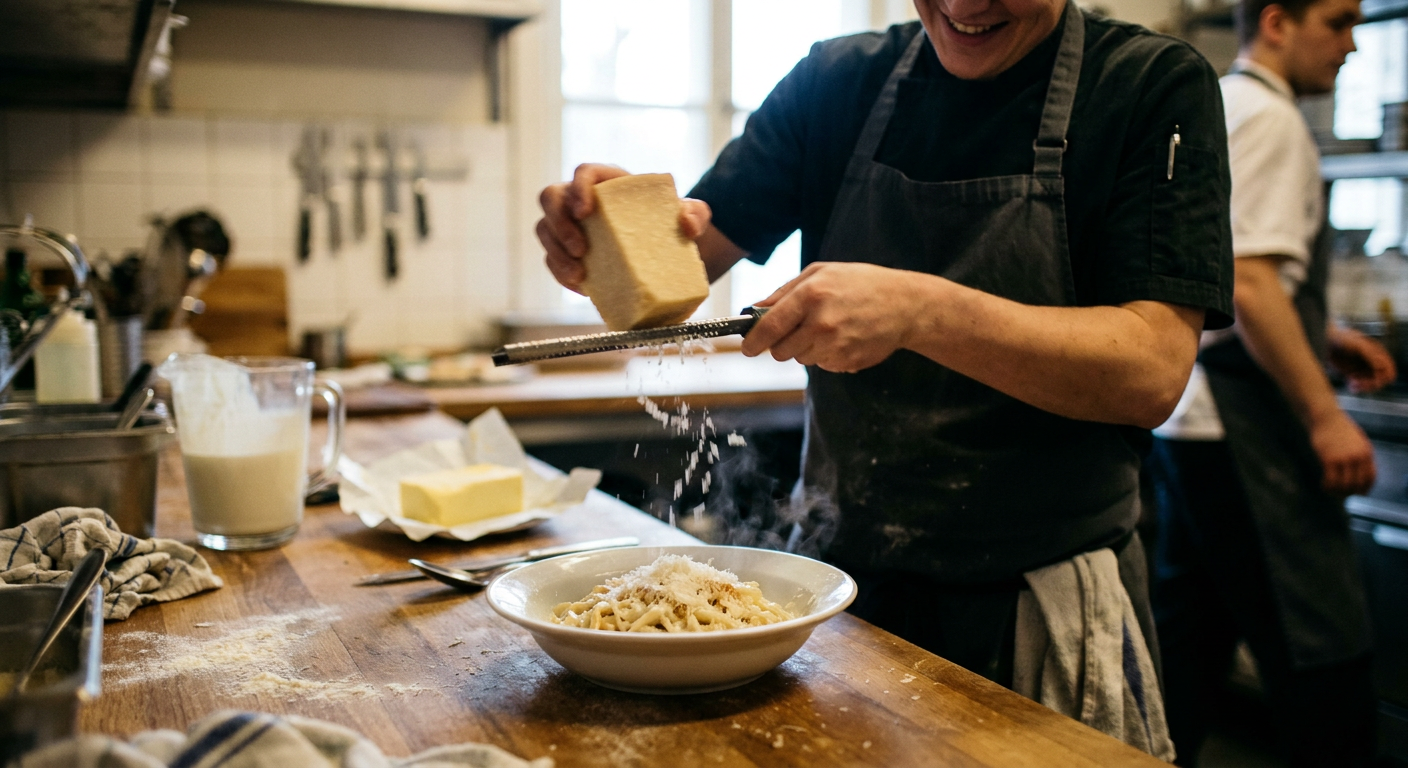
Dairy moves the other way. ABARES forecasts the value of Australian dairy exports to fall 2% to $3.6 billion in 2026-27, while farmgate milk prices are forecast to rise as processors compete to secure milk (June 2026). Dairy Australia forecasts national milk production to fall about 2% in 2026-27, with a range of -1% to -3% depending on the season and input costs. New-season opening farmgate milk prices across southern Australia have been announced at roughly $7.65 to $10.38 per kilogram of milk solids, averaging around $9.28 (processor announcements, June 2026). Less milk and firmer farmgate prices point to dearer cheese, butter and cream through the year.
Demand is leaning the same way: Dairy Australia's mid-year report notes retail cooking cheese volumes growing strongly, so demand for the cheeses kitchens rely on is rising just as milk supply tightens.
If your menu leans on cheese-heavy or cream-based dishes, this is the input to watch. Cheaper proteins will not automatically offset a dairy-led rise on a pizza, a pasta or a dessert section, because the mix of ingredients on each dish is different. That is the argument for costing at the dish level rather than assuming a single food-cost trend.
The rest of the basket
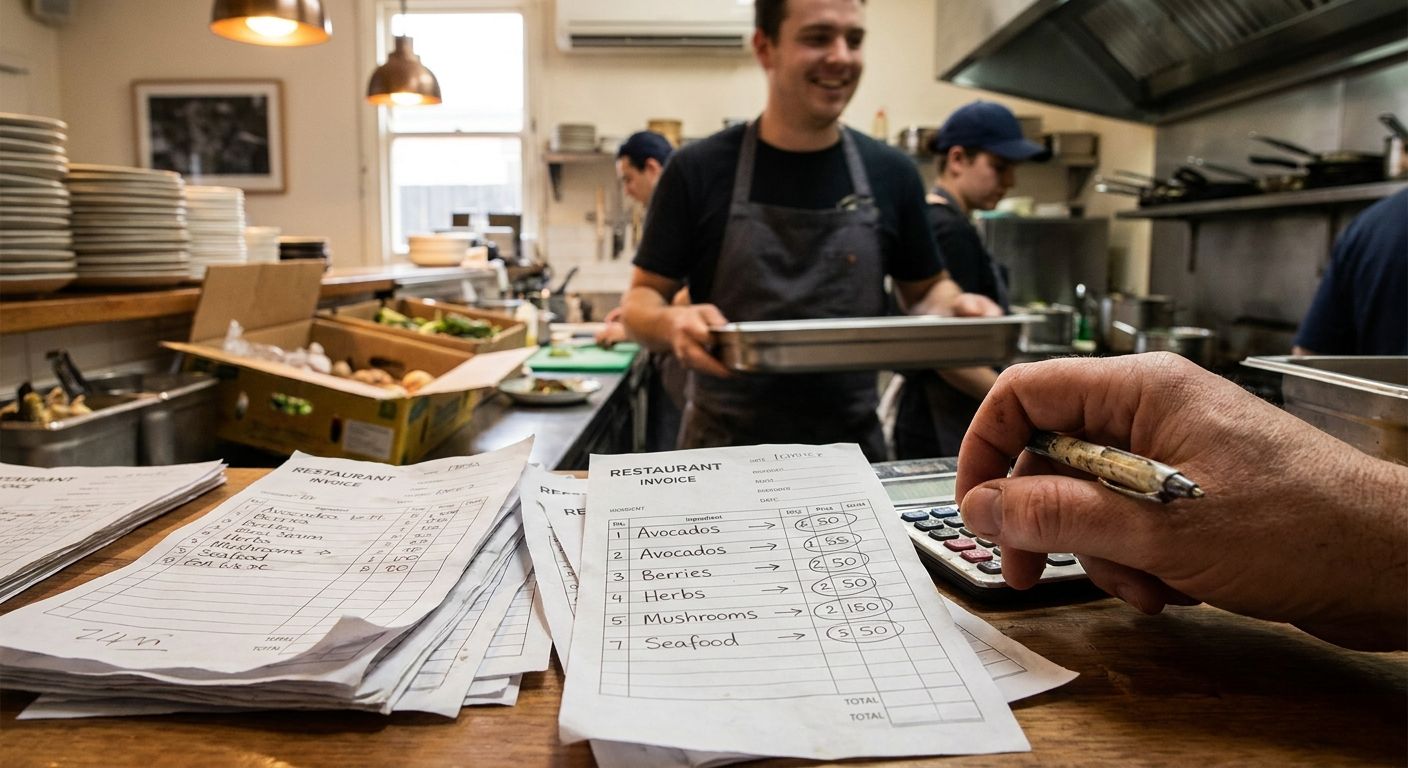
The same June report covers the inputs beyond the headline three, and little of it is heading down. The combined value of pig, poultry and egg production is forecast to rise 8% to $8.4 billion in 2026-27, driven by rising production to meet domestic demand, so chicken and pork read as firm rather than falling. Horticulture value is expected to increase marginally to $18.9 billion, with slightly higher prices more than offsetting lower domestic production of fresh fruit and vegetables, so produce points the same way. Cooking oils lean up too: canola volumes are forecast to fall in 2026-27 while canola prices rise, and ABARES expects global crop prices to increase as lower global production and stocks reduce exportable supply. The June crop report underlines the pressure: national winter crop production is forecast to fall 21% on last season, with fuel and fertiliser costs already up on the Middle East conflict, and fertiliser supply and a drier winter named as the downside risks (ABARES Australian Crop Report, June 2026).
Value forecasts are not price lists, but nothing in them points to relief. The practical read for a menu: beef and lamb are the only lines with easing behind them, everything else sits flat to firmer, and that makes the margin the proteins hand back more valuable, not less.
The dollar sits behind both moves
One force runs under both stories: the Australian dollar. AUD/USD has strengthened from around US$0.64 in April 2025 to just under US$0.69 at the start of July 2026, after peaking near US$0.73 earlier in the year (RBA). A firmer dollar makes Australian exports less competitive, which weighs on beef and lamb prices at home, and it makes imported inputs cheaper. The point for an operator is that these forecasts rest on assumptions, the dollar, the season and global demand among them, and the dollar has already drifted off its peak. Treat the numbers as direction, not a promise: a drought, a currency swing or a trade shock can rewrite them mid-year.
A worked example: recosting two dishes
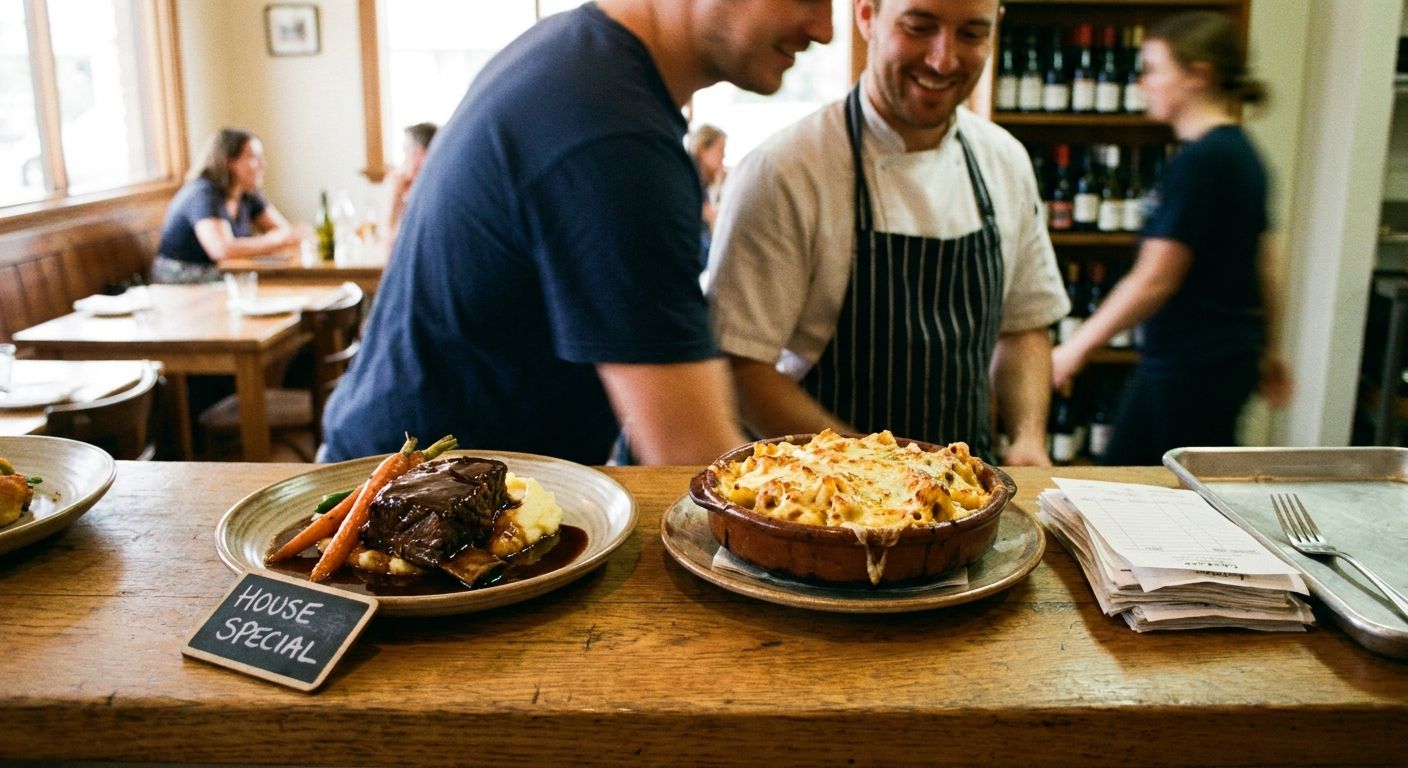
Say you run a 200g braised beef dish and a baked pasta with a cream and cheese sauce, and you want to know where each is heading.
On the beef dish, a 3% easing in the cattle indicator does not translate to 3% off your plate cost. Beef might be 60% of that dish's ingredient cost, the wholesale price moves less than the saleyard indicator, and the rest of the plate (sauce, sides, oil) is flat or rising. A rough read is a fall of a percentage point or so in the dish's food cost over the year, arriving gradually. That is a dish to hold the menu price on and let the margin rebuild.
On the pasta, the cream and cheese are the biggest line and they are heading up. Even a mid-single-digit rise on dairy can push that dish's food cost percentage over target if the menu price stays put. This is the dish to reprice, re-spec or rebalance portions on, not the beef.
The lesson is not the exact figures, which depend on your recipes and suppliers. It is that a single "food is up" or "food is down" headline hides two dishes moving in opposite directions. You can only see it when the current cost of each ingredient flows through to each recipe.
How Chefy fits
This is the work Chefy is built for. When a supplier price changes, the new cost cascades through every recipe and menu item that uses that ingredient, so you see the current food cost percentage of each dish rather than a figure from the last stocktake. When the cattle market eases or milk tightens, you can see which dishes gained margin and which slipped, and act on the specific ones.
For the number underneath all of this, try our free food cost calculator, which does the dish-level maths in about a minute.
See which dishes are gaining or losing margin
Chefy keeps supplier prices, recipes and menu costs in one place, so a price change updates every dish it touches.
Explore ChefyFrequently asked questions
When will cheaper beef and lamb actually reach my invoices?
Later and more gently than the headline forecast. The ABARES numbers are farmgate saleyard averages for the full 2026-27 year, and wholesale and portioned prices lag those signals by weeks to months. Falls also land unevenly across cuts, usually showing in trim and secondary cuts first. Expect a gradual easing of a point or so at dish level rather than a step change, and confirm it against your own supplier invoices.
Why is dairy getting dearer when meat is coming down?
They are driven by different forces. Beef and lamb are easing on softer export demand, with China's beef safeguard quota already 80% filled by mid May and a 55% tariff waiting once it fills, plus a stronger dollar that makes Australian product less competitive offshore. Dairy is tightening because milk production is forecast to fall about 2% in 2026-27 and farmgate milk prices are rising, which flows through to cheese, butter and cream. A single food price trend hides these opposite moves.
How should I change my menu prices for 2026-27?
Dish by dish, not across the board. Cost each dish at current ingredient prices, then act on the outliers: hold prices on beef-led dishes so the easing input rebuilds margin, and reprice or re-spec dairy-heavy dishes before they slip below target. A blanket rise risks overpricing the dishes that are already recovering and underpricing the ones under pressure.
Sources
- ABARES, Agricultural Commodities Report, June quarter 2026
- ABS, Monthly Consumer Price Index Indicator, May 2026
- Dairy Australia, Situation and Outlook, mid-year 2026
- Stock & Land, Australian dairy processors reveal opening milk prices, June 2026
- RBA, Exchange rates, July 2026
- ABARES, Australian Crop Report, June 2026
Sam · Chefy team
The Chefy team writes about margin, costing and running tighter venues across Australian hospitality.
See Chefy on your own numbers
Book a demo and we'll map your venues, team and modules and show you the monthly cost.
Book a demo